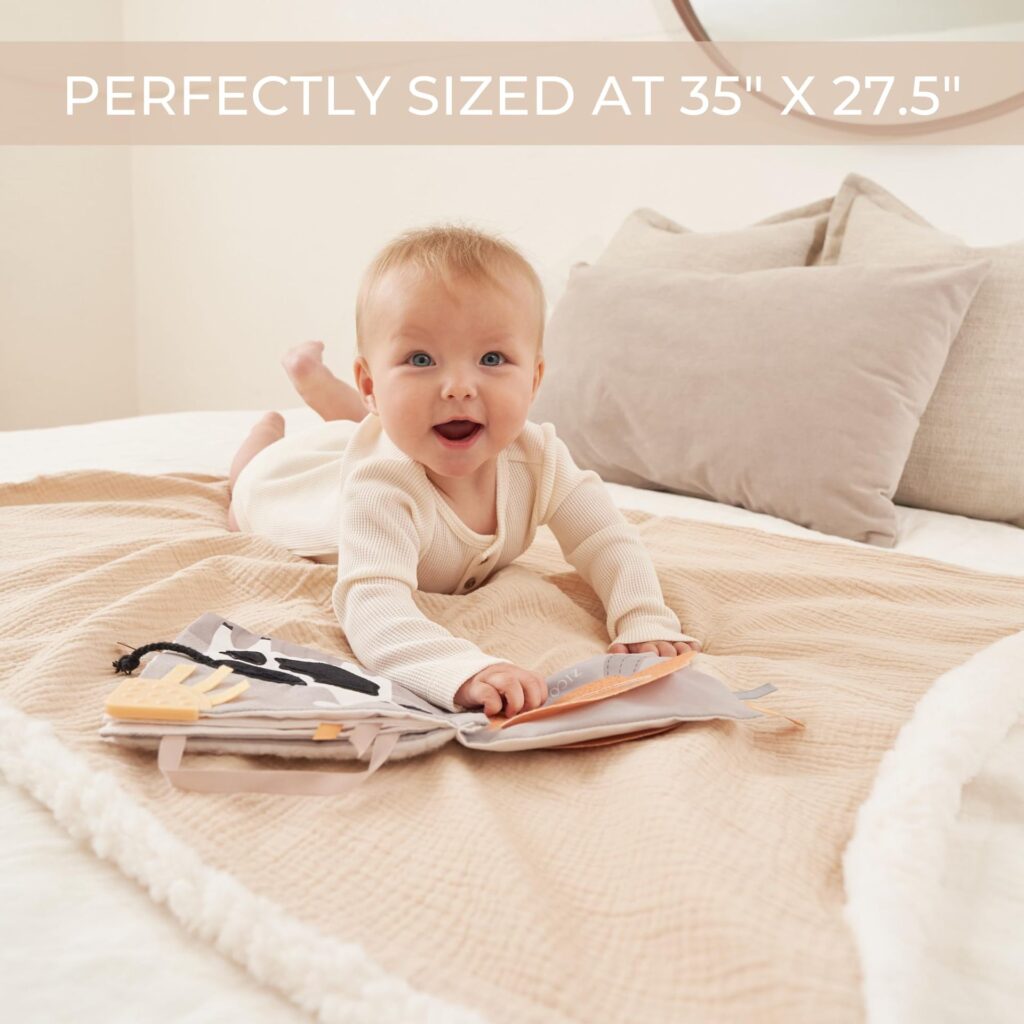
A children’s blanket is not just a comfortable accessory, it is also a source of comfort, safety, and warmth for infants and young children. However, choosing the ideal blanket is not just about choosing cute patterns or colors. The thickness of the material blanket plays a crucial role in ensuring safety, comfort, and durability. From delicate skinned newborns to lively toddlers dragging blankets around, this fabric must meet different needs. This guide explores the advantages and disadvantages of common materials to help you choose the best option for your child.
Why is material important for children’s blankets
Children, especially infants, have sensitive skin and a developing immune system. Stimulating chemicals, rough texture, or poor breathability can cause rash, overheating, or allergic reactions. In addition, toddlers often chew or suck on blankets, so non-toxic materials are crucial. The appropriate fabric strikes a balance between softness, safety, and practicality, while also being able to withstand frequent washing. Let’s break down the most popular materials and their applicability to children.
Top material for children’s blankets
1.100% organic cotton
Why it’s great:
Softness: Organic cotton is naturally gentle and becomes softer with each wash.
Breathability: Its open weave allows airflow to pass through, reducing the risk of overheating.
Low sensitivity: Free of insecticides and synthetic chemicals (if GOTS certified), it is an ideal choice for eczema prone or sensitive skin.
Durability: High quality cotton will not pill after repeated washing.
Disadvantages:
If not cleaned in advance or dried improperly, it may shrink.
Less insulating than wool, more suitable for mild climates or summer use.
Best suited for daily use, infants, and children with allergies.
2. Bamboo fiber
Why it’s great:
Smooth and silky: Bamboo fabric feels luxurious and smooth, similar to silk.
Temperature regulation: Natural moisture absorption, regulating body temperature, keeping children cool in summer and warm in winter.
Antimicrobial: Resistant to bacteria and odors, very suitable for messy young children.
Environmentally friendly: Bamboo grows rapidly without pesticides and is a sustainable choice.
Disadvantages:
Usually blended with cotton or polyester fibers, so please check if the bamboo content on the label is 100%.
Gentle washing is required to maintain softness.
Most suitable for: children who sleep hot, in humid climates, or have sensitive skin.
3. Muslim cotton
Why it’s great:
Lightweight and breathable: The loose weaving of sheer fabric provides breathability, making it a staple food for wrapping newborns.
Durability: Over time, it becomes soft and less prone to tearing.
Versatile: Large fine cotton blankets can also be used as baby stroller covers, burping cloths, or game mats.
Disadvantages:
Thin fabrics may not provide enough warmth in cool weather.
Best suited for: swaddled infants, summer use, or multi-purpose daycare essentials.
4. Wool (Merino or Superwash)
Why it’s great:
Natural insulation material: Wool can effectively lock in heat while allowing moisture to escape, preventing overheating.
Low sensitivity: Merino wool is softer and less itchy than traditional wool.
Fire resistant: Natural flame retardant, adding a layer of security.
Disadvantages:
Unless labeled as’ Super Clean ‘(machine safety), hand washing or dry cleaning is required.
For very young babies, they may feel heavy.
Best suited for: cold climates, outdoor adventures, or toddlers in need of extra warmth.
5. Polyester fiber or wool
Why consider:
Affordable: Synthetic blankets are economical and widely available.
Quick drying: More water-resistant and dries faster than natural fibers.
Durable: resistant to rough use and frequent washing.
Disadvantages:
Poor breathability: Lock in heat and sweat, increasing the risk of overheating.
Microplastic detachment: During the washing process, microfibers are released into the waterway.
Static electricity and pilling: Over time, it may irritate sensitive skin.
Best suited for: spare blankets, travel or short-term use (avoid baby use).
6. Linen cloth
Why it’s great:
Temperature regulation: The natural fibers of flax keep children cool in summer and warm in winter.
Antimicrobial: Resistant to mold and bacteria, it is an ideal choice for children who are prone to allergies.
Environmentally friendly: Made from flax plants, requiring minimal water and pesticides.
Disadvantages:
At first, it feels rough, but it becomes soft after washing.
Easy to wrinkle, needs ironing to look smooth.
Best suited for: environmentally conscious families, warm climates, or older children.
7. Ultra fine fibers
Why consider:
Super soft: imitates the feeling of velvet or plush fabrics.
Lightweight: Easy for young children to carry.
Anti pollution: repel leaks and chaos.
Disadvantages:
Synthetic component: Made of polyester, it can retain heat and shed microplastics.
Durability issue: prone to pilling after repeated washing.
Best suited for: Decorative daycare throwing or supervised game time.
Key considerations when selecting materials
Safety first
Avoid loose fibers: Avoid blurry materials such as ice cream or synthetic fur, which can shed fibers and pose a choking hazard.
Non toxic dyes: Choose OEKO TEX certified fabrics to ensure that the dyes do not contain heavy metals or formaldehyde.
Flame retardancy: Although wool is not necessary for daily use, its natural fire resistance gives people peace of mind.
Age appropriate choices
Newborns (0-12 months): Prioritize breathable and lightweight fabrics such as fine cotton or organic cotton to reduce the risk of sudden infant death syndrome.
Preschool children (1-3 years old): Choose durable, machine washable materials such as bamboo or super washed wool.
Older children (over 4 years old): Introduce heavier fabrics such as linen or wool for camping or sofa cuddling.
Climate and Seasons
Summer: Bamboo, fine cotton cloth or linen cloth.
Winter: Merino wool, wool (with supervision) or layered cotton.
Easy to maintain
Machine washable: Cotton, bamboo, and polyester fibers have lower maintenance costs.
Special care: Wool and linen may require hand washing or air drying.
Material Comparison Diagram
Material softness, breathability, durability, eco-friendly, most suitable
Organic cotton for high school daily use, sensitive skin
Bamboo is very high, very high, high temperature climate, allergic
Muslim cotton medium very high school swaddle, baby
Merino wool high school in cold and high-altitude weather, safe
Polyester/wool medium low high budget, short-term use
Flax medium high, very environmentally friendly, warm climate
Ultra fine fiber high low medium low decoration for young children
Special circumstances and alternative solutions
Premature infants: Choose a low allergenic blend of bamboo or cashmere for ultra gentle care.
Allergic reactions: Tightly woven wool can block dust mites and pet dander.
Eczema: Avoid synthetic mixtures; Choose GOTS certified organic cotton or antibacterial bamboo.
Sustainable choices
For environmentally conscious families:
Organic fabrics: Looking for GOTS or Fair Trade certification.
Recycled materials: Brands such as Pact or Coyuchi offer blankets made from recycled fibers.
Local production: Compared to imported goods, it reduces carbon footprint.
Popular choices classified by material
Best organic cotton: Burt’s Bees baby organic cotton blanket (butter soft, GOTS certified).
Best Bamboo: Kyte Baby Bamboo Baby Blanket (Temperature Controlled, OEKO-TEX Certified).
Best wool: Woolino Merino wool baby blanket (natural flame retardant, machine washable).
Taking care of different materials
Cotton/bamboo: machine wash in cold water; Avoid high temperature and dryness.
Wool: Use a mild detergent and lay flat to dry.
Line: Separate cleaning to prevent pilling; Iron when it’s damp.
The final idea
Choosing appropriate materials for a child’s blanket can ensure comfort, safety, and longevity. Although organic cotton and bamboo perform well in most cases, it is important to consider the unique needs, climate, and lifestyle of children. A carefully selected blanket will not only make your little one feel comfortable, but also become a precious souvenir for the coming years.